Last updated October 30, 2026
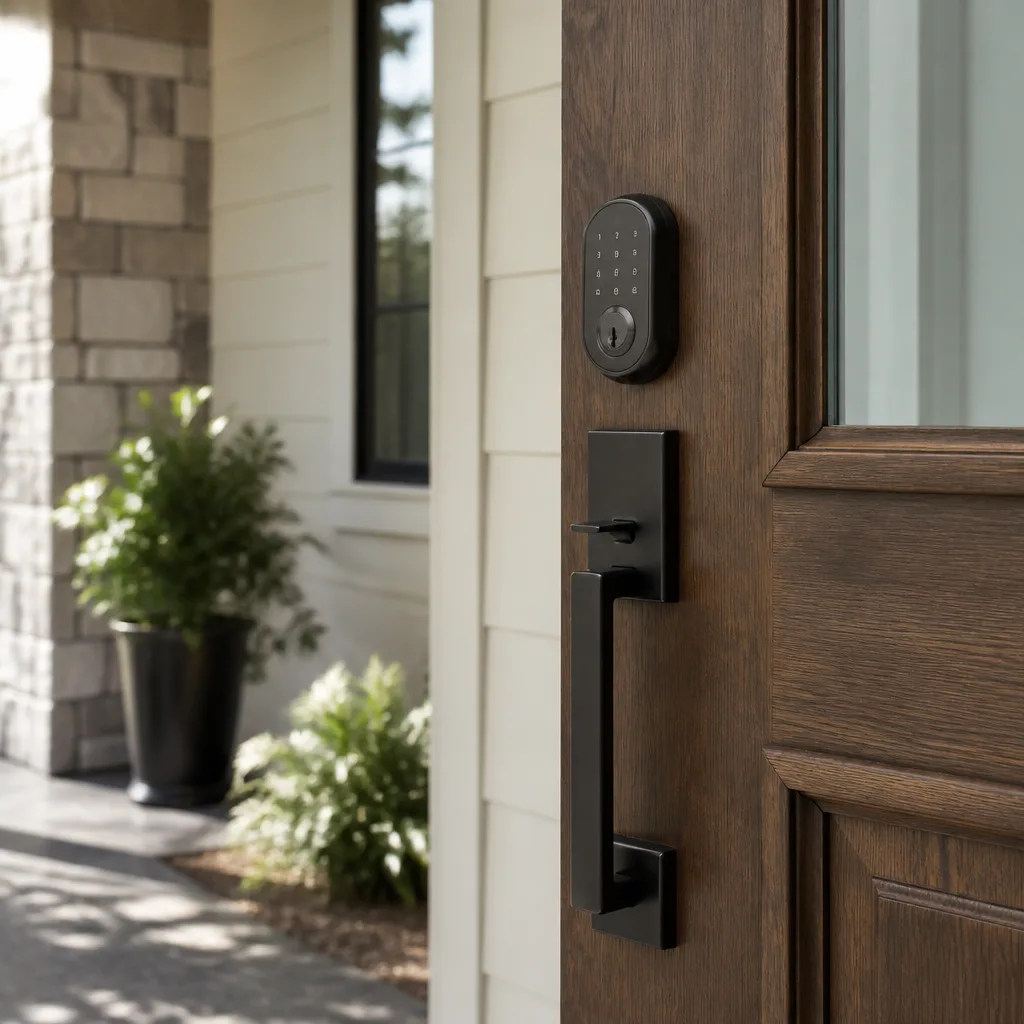 Smart locks
 House lockouts
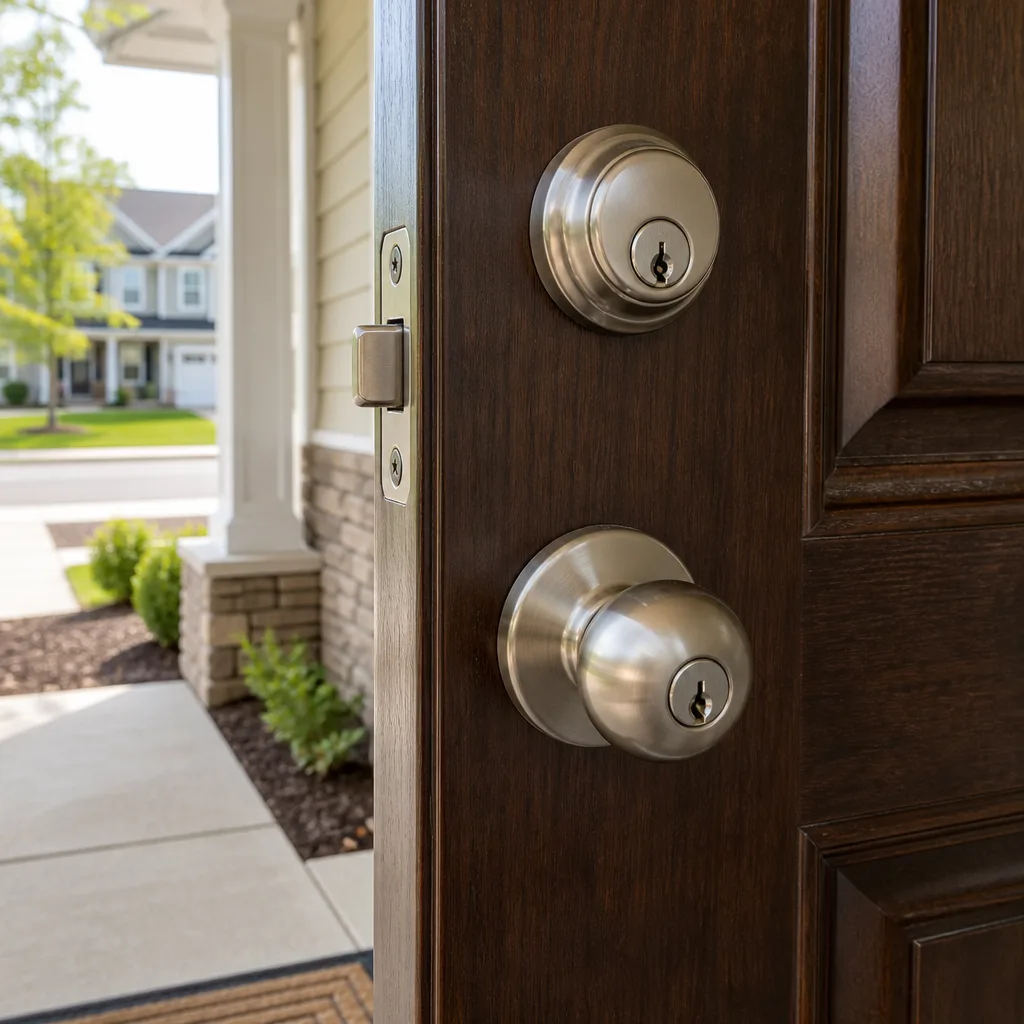 Re-keying
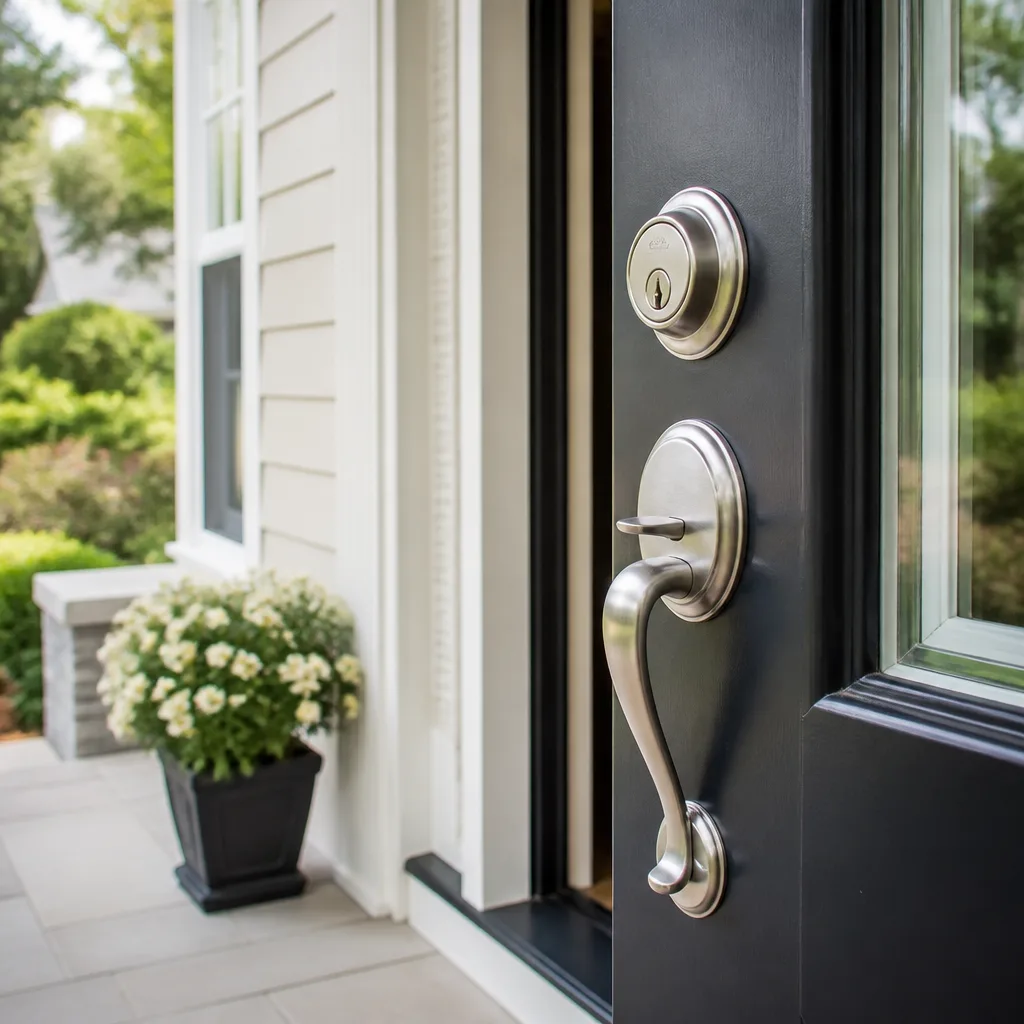
 Deadbolt upgrades
 Schlage
 Kwikset
 Car keys & fobs
Non-destructive entry first, always - and we re-key Schlage, Kwikset, and Baldwin locks on the spot while you watch
You get a price before we start. It does not change when we arrive. No surprises.
Get your free estimateHow to Hire a Locksmith Contractor in Orlando: A Step-by-Step Guide
Most homeowners who hire a locksmith for a whole-home rekey or security upgrade use the same method they’d use for an emergency: Google, first result, call now. That approach fills a job slot, but it doesn’t screen for the skill mismatch that turns a $900 hardware project into a twice-serviced mess. In Orlando, the spread between a locksmith who pins Kwikset cylinders all day and one who can configure a Mul-T-Lock or Baldwin deadbolt is the difference between a clean install and a callback three weeks later. This guide walks you through the contractor-style vetting process that protects you on larger engagements, from scoping your hardware inventory to checking Florida licensing to writing a scope of work that gets you comparable quotes. For more guides & resources, see our blog. By the end, you’ll know exactly how to evaluate a locksmith before you hand over your keys.
Quick Answer
To hire a locksmith contractor in Orlando, start by inventorying every lock and keyed entry point on the property, note the specific brands (because a Schlage cylinder and a Medeco cylinder require different skill sets), verify the locksmith’s Florida license, and request a written scope of work with labor and parts itemized separately. Interview candidates about the specific hardware you own, not just locksmithing in general. Expect to pay more for contractor-level expertise, and confirm the price quoted on the phone is the price on the invoice before anyone starts drilling.
Styles & brands we work with
Table of Contents
- Step 1: Scope Your Project Before You Make Any Calls
- Step 2: Check the Florida Licensing Story
- Step 3: Write a Simple Scope of Work Document
- Step 4: Ask Questions That Reveal Hardware Competency
- Step 5: Spot the Red Flags in Project Bids
- Step 6: Get Your Quote in the Right Format
- Emergency Calls vs. Project Hires: Why the Difference Matters
- Common Mistakes to Avoid
- When to Call a Professional
- Frequently Asked Questions
Step 1: Scope Your Project Before You Make Any Calls
You cannot get comparable quotes if you can’t describe what you actually own. Walk the property with a notepad and take inventory. Count every keyed point of entry: front door, back door, garage door, side gate, interior doors with locks, mailbox locks, safe dials, and any padlocks on storage or pool equipment. In Orlando’s rental-heavy market, we regularly see landlords with 12+ keyed openings across a single duplex or quadplex and no idea how many cylinders they actually have.
For each lock, write down the brand. Is it stamped Schlage, Kwikset, Baldwin, Yale? Does the cylinder say Medeco, Mul-T-Lock, Abloy, or Sargent? If you cannot identify a cylinder, take a photo of the keyway and the face of the lock. A competent locksmith can identify hardware from a clear photo, and they should be willing to do that before quoting. This inventory does two things: it prevents the “I showed up and there were more locks than expected” line-item surprise, and it exposes whether the locksmith knows your hardware.
Also note whether any cylinders are high-security or restricted-key systems. Medeco, Abloy, and Mul-T-Lock cylinders are pick-resistant, drill-resistant, and require dealer certification to source replacement keys or cylinders. If your property has one of these, you’ve just narrowed your candidate pool significantly, and that’s a good thing. You want a locksmith who works with that brand, not one who’ll quietly swap your restricted cylinder for a generic Kwikset without telling you.
Step 2: Check the Florida Licensing Story
Florida does not have a statewide locksmith license. That sentence surprises a lot of homeowners, and it’s the single most important thing to understand before you hire anyone in Orlando. Some counties and municipalities maintain their own registration requirements, but the state itself does not issue a specific locksmith license the way it licenses electricians or plumbers. What you can and should verify: the business itself has a valid Florida business registration, and any individual who performs work that touches security systems or access control may fall under other licensing categories depending on scope. For details, read our guide to Locksmith Permits, Codes & Inspections in FL: What You Need to Know.
The practical takeaway: the burden of vetting falls on you. A locksmith’s county occupational license tells you the business is registered, not that the technician can pin a Medeco cylinder. Ask for proof of business registration, ask whether technicians are background-checked, and ask whether the company carries general liability insurance. In our experience serving the Orlando market, the contractors who answer these questions without hesitating are the ones who run a legitimate operation.
One more nuance: the difference between a “Class D” security license and contractor-level work comes up when a locksmith installs hardwired access control, integrates a lock with a security system, or runs low-voltage wiring. Those jobs can require an electrical contractor license or a low-voltage specialty license in Florida. For a straightforward rekey or hardware swap, you don’t need to overcomplicate it. For anything involving wiring, panels, or access control software, ask specifically whether the scope triggers a licensing requirement and who holds it.
Step 3: Write a Simple Scope of Work Document
A scope of work doesn’t need to be formal. A one-page document you type or write out works fine, and it prevents the most common dispute we hear about: “the price changed when they got here.” Here’s the format we recommend based on years of seeing both sides of the estimate process in Orlando:
- Property address and access note. One line. “Single-family home, 3 exterior entry doors, no gate.”
- Hardware inventory. Number each entry point. “Front door: Baldwin deadbolt, brass finish, keyed entry. Back door: Schlage knob, no deadbolt. Garage side door: Kwikset, tarnished.”
- Scope of work. Exactly what you want done. “Rekey all exterior cylinders to a single new key. Replace back door knob with Schlage B60 deadbolt. Do not touch interior locks.”
- Hardware preferences. If you want a specific brand or grade, say so. “Grade 1 hardware where replacement is required. Schlage or Baldwin preferred. No builder-grade Kwikset.”
- Exclusions. What is explicitly not in scope. “Mailbox lock and pool gate padlock out of scope. Access control wiring out of scope.”
- Existing key count. How many working keys you currently have and how many new keys you need cut.
Send this document to every locksmith you’re considering. The ones who respond with specific questions about your hardware are worth a conversation. The ones who reply with a flat number and no questions are bidding blind, and you’ll pay for that later.
Step 4: Ask Questions That Reveal Hardware Competency
A locksmith can say they “work with all brands.” Most of them can’t. The gap between consumer-grade hardware and high-security systems is real, and it requires training most generalist locksmiths in Orlando simply don’t have. Here are the questions that separate the capable from the faking-it:
- “Do you stock key blanks and cylinders for Baldwin, or are those special order?” Baldwin uses a C-keyway in some models but also has proprietary styles. A locksmith who hesitates or says “we can order anything” may not have hands-on Baldwin experience.
- “Can you source replacement cylinders for a Medeco or Mul-T-Lock system, or do I need to go through the original installer?” Restricted-key brands don’t allow just anyone to cut keys. If the locksmith says “sure, no problem,” ask how. If they mention dealer authorization, you’re talking to someone real.
- “What’s the difference in bid between a Grade 1 and Grade 3 deadbolt for this job?” Any locksmith can tell you Grade 1 is commercial-grade. The one worth hiring can explain why that matters for a specific door in a specific environment. In Orlando’s humidity, cheap steel hardware corrodes fast, and a knowledgeable locksmith will mention that without being prompted.
- “Have you pinned a Sargent cylinder in the last year?” Sargent uses a unique keyway and tighter pin tolerances than Kwikset. If the answer is a vague “we’ve done all kinds of locks,” that’s not an answer.
We work across eight lock brands: Schlage, Kwikset, Yale, Baldwin, Medeco, Mul-T-Lock, Sargent, and Abloy. High-security hardware requires a locksmith trained to match it. When you interview another Orlando locksmith and they blank on one of these names, that’s not a dealbreaker for a basic rekey. It’s a dealbreaker if you own that hardware.
Step 5: Spot the Red Flags in Project Bids
Bids reveal more than conversations. When you get quotes back, look for these specific problems, because we’ve encountered every one of them in the Orlando market:
- Vague hardware line items. “New deadbolt” without a brand, grade, or finish. That’s a bid for the cheapest hardware the locksmith can find at a supply house, and it won’t match the Baldwin knob it’s paired with.
- No labor breakdown. A single lump sum with no separation between parts and labor. You cannot compare this against another bid, and you can’t identify whether you’re paying $400 for labor and $50 for hardware or the reverse.
- Refusal to name brands when asked. “We use whatever’s best.” No competent locksmith talks that way. A good one says “I’d spec Schlage B60 for the front door and B62 for the back, here’s why.”
- Quote changes when you mention high-security. A locksmith quotes you $180 to rekey, you mention the front door has a Medeco cylinder, and suddenly they “need to come out and look.” That’s the moment you learn what they can and can’t do.
- No mention of key duplication restrictions. If the bid includes new keys but doesn’t note whether they’re restricted or non-restricted, you may get plain brass keys cut at a hardware store. For some homeowners that’s fine. For a landlord rekeying a rental property, it’s a security gap.
Rekeying is often smarter than replacing, and a good bid reflects that. If a contractor pushes full replacement on every lock when most are rekeyable, ask why. Sometimes the hardware genuinely is too degraded to reuse. In Orlando’s salt air and humidity, deadbolts on older homes near the coast can be so corroded that rekeying isn’t viable. But that’s a conversation, not an assumption.
Step 6: Get Your Quote in the Right Format
Price is the thing everyone asks about and the thing everyone gets surprised by. Here’s the format we recommend, based on common Orlando pricing ranges for project work:
| Line Item | Typical Orlando Range | What It Includes |
|---|---|---|
| Rekey, standard cylinder | $25 – $45 per cylinder | Pins, springs, labor, 2 new keys |
| Rekey, high-security cylinder | $60 – $120 per cylinder | Restricted key, dealer labor |
| New deadbolt, Grade 2 (Schlage/Kwikset) | $40 – $90 installed | Hardware, labor, 2 keys |
| New deadbolt, Grade 1 (Baldwin/commercial) | $120 – $250 installed | Hardware, labor, 2 keys |
| New knob or lever, standard | $35 – $75 installed | Hardware, labor, 2 keys |
| Service call / trip fee | $0 – $65, often waived with project work | Travel, on-site assessment |
These are honest ranges for Orlando project work as of this writing. They’ll vary by neighborhood, by hardware grade, and by locksmith, but they give you a baseline to spot a lowball or a gouge. A quote that comes in at $18 per cylinder for rekeying in metro Orlando is either using bottom-tier pins, cutting corners on labor, or planning to bait-and-switch on arrival.
The phone call is where you get your real number. A project locksmith should be able to give you a final, itemized number over the phone once you’ve sent the scope of work. If they won’t commit until they’re standing in your driveway, that’s a red flag. The price you agree to on the phone must be the price on the invoice. No trip fee surprise, no “I found additional locks” line item, no surcharge. Ashgrove Locksmith quotes a full price before dispatch, and that’s the price on the invoice. That standard should be your baseline for every Orlando locksmith you consider.
Emergency Calls vs. Project Hires: Why the Difference Matters
An emergency lockout in Orlando is a transaction. You’re locked out, you call Emergency Locksmith in Orlando, the technician opens the door, you pay, it’s done. The skill bar is real but narrow: pick a lock or drill it, don’t destroy the door, leave the hardware functional. Any competent locksmith can do that.
A project hire is a relationship. You’re rekeying ten cylinders across a rental property on Conway Road, or replacing four Baldwin deadbolts in a Winter Park home, or converting the whole place to a Mul-T-Lock high-security system. The locksmith needs to understand the hardware, match finishes, pin cylinders consistently, and know when a lock is worth rekeying versus replacing. In our experience, the technicians who are great at emergency lockouts are not automatically the right people for a whole-home rekey, and the reverse is also true. Some of the best project locksmiths in Orlando are slower on a twenty-minute lockout because they’re methodical. That’s not a flaw for your hallway rekey, it’s the point.
The stakes are different too. A botched emergency lockout costs you a door and a lock. A botched rekey job costs you the illusion of security: you think you’ve rekeyed the rental property, but one cylinder was missed, and an ex-tenant with a copy of the old key still has access. That’s the scenario that should make you slow down and hire like a contractor, not a panic purchaser. For help preparing, see our Locksmith Emergency Preparedness Guide for Orlando Homes.
From Kwikset to Abloy, we work across the full security spectrum. The brand matters, and so does the locksmith who knows it. If you’re looking at Rekey Locks in Orlando, the vetting process above is your insurance policy against a half-done job.
Common Mistakes to Avoid
- Treating a rekey project like an emergency lockout. You don’t need the fastest phone answer, you need the right skill set for the hardware in your home. Speed is the enemy of a good multi-lock bid.
- Not reading the brand stamps on your own locks. If you don’t know whether your deadbolt is Schlage or Baldwin, you can’t verify whether the locksmith quoting the job actually knows your hardware. Take the five minutes.
- Accepting “we’ll figure it out on site.” On a project with eight cylinders, that phrase means the quote is a guess and the final bill is going up. Get specifics before you accept.
- Signing off on a bid that doesn’t separate parts and labor. You can’t negotiate what you can’t see. Labor-only bids hide hardware cost, and parts-only bids hide labor gouging.
- Ignoring restricted-key requirements. If you own a Medeco or Mul-T-Lock system, a random Orlando locksmith without dealer status cannot cut you new keys. Make the authorization question your first filter.
- Not asking whether the phone quote is the final price. The bait-pricing problem in this trade is real. Ask the exact question: “Is the price you quoted me on the phone the price on the invoice, with no additional trip fee or on-site surcharge?” Get a yes.
When to Call a Professional
If your project involves six or more cylinders, any high-security or restricted-key hardware, automotive key programming, or a mix of lock types across multiple entry points, hire a contractor-style locksmith. This is the work that separates a pinning-kit technician from a real professional. The same goes for anything involving Car Key Replacement in Orlando, which is a distinct technical skill set most residential locksmiths don’t have. Transponder and proximity key programming requires diagnostic equipment, not a key-cutting machine.
If you’re unsure what you’re dealing with, call for a phone consultation first. A reputable Orlando locksmith will talk through your scope before quoting. Ashgrove Locksmith offers free estimates in Orlando. Call (833) 713-2331 with your hardware inventory and we’ll give you an honest read on what you need and what it should cost.
Frequently Asked Questions
A whole-home rekey in Orlando typically runs $150 to $350 for 6 to 12 standard cylinders, with additional cost for high-security brands, new hardware, or key duplication. The price depends on the cylinder count, brand, and whether any locks need replacement rather than rekeying. Get an itemized quote over the phone before anyone is dispatched. For an exact number on your property, call (833) 713-2331.
At Ashgrove Locksmith, yes. The full price is quoted on the phone before anyone is dispatched, and that is the price on the invoice. No trip fee added on arrival, no on-site surcharge, no scope-creep line items. Any reputable Orlando locksmith should be able to do the same, and you should require it.
Rekeying changes the lock’s internal pins so the old key no longer works, while replacement installs an entirely new lock body. Rekeying is cheaper and just as effective for changing access when the hardware is still in good condition. Replacement makes sense when the hardware is corroded, damaged, or you want a higher grade or different finish. In Orlando’s humid climate, coastal homes especially benefit from a hardware inspection before deciding.
Florida has no statewide locksmith license, so you’ll need to verify the business’s county registration, general liability insurance, and any technician background checks directly. For work involving low-voltage wiring or access control, ask whether the scope triggers a separate contractor license. A legitimate business will answer these questions without hesitation; a shaky one will deflect.
No. Medeco, Mul-T-Lock, Abloy, and Sargent restricted-key systems require dealer authorization to source blank keys, cut new keys, and order replacement cylinders. A locksmith without that authorization cannot legally or practically service your system. Ask directly about dealer status before hiring.
Project work is scheduled and scoped, not dispatched in a rush. A proper rekey or hardware installation typically gets scheduled within a window that fits the job size, and the locksmith arrives with the right hardware, not whatever’s in the truck. For the exact availability on your project, call (833) 713-2331 for a free estimate.
The Bottom Line
Hiring a locksmith contractor in Orlando is a different process from calling for an emergency lockout, and treating them the same is how homeowners end up with mismatched hardware, surprise invoices, and locks nobody can service. Start with a hardware inventory. Check the licensing story. Write a one-page scope of work and send it to every candidate. Ask brand-specific questions and listen for real answers, not vague reassurances. Require itemized bids with labor and parts separated, and insist on a phone quote that matches the final invoice. The lock brand matters, and so does the locksmith who knows it. For a free estimate on your Orlando project, call Ashgrove Locksmith at (833) 713-2331.
Written by the team at Ashgrove Locksmith, serving Orlando since 2017.