Last updated October 30, 2026
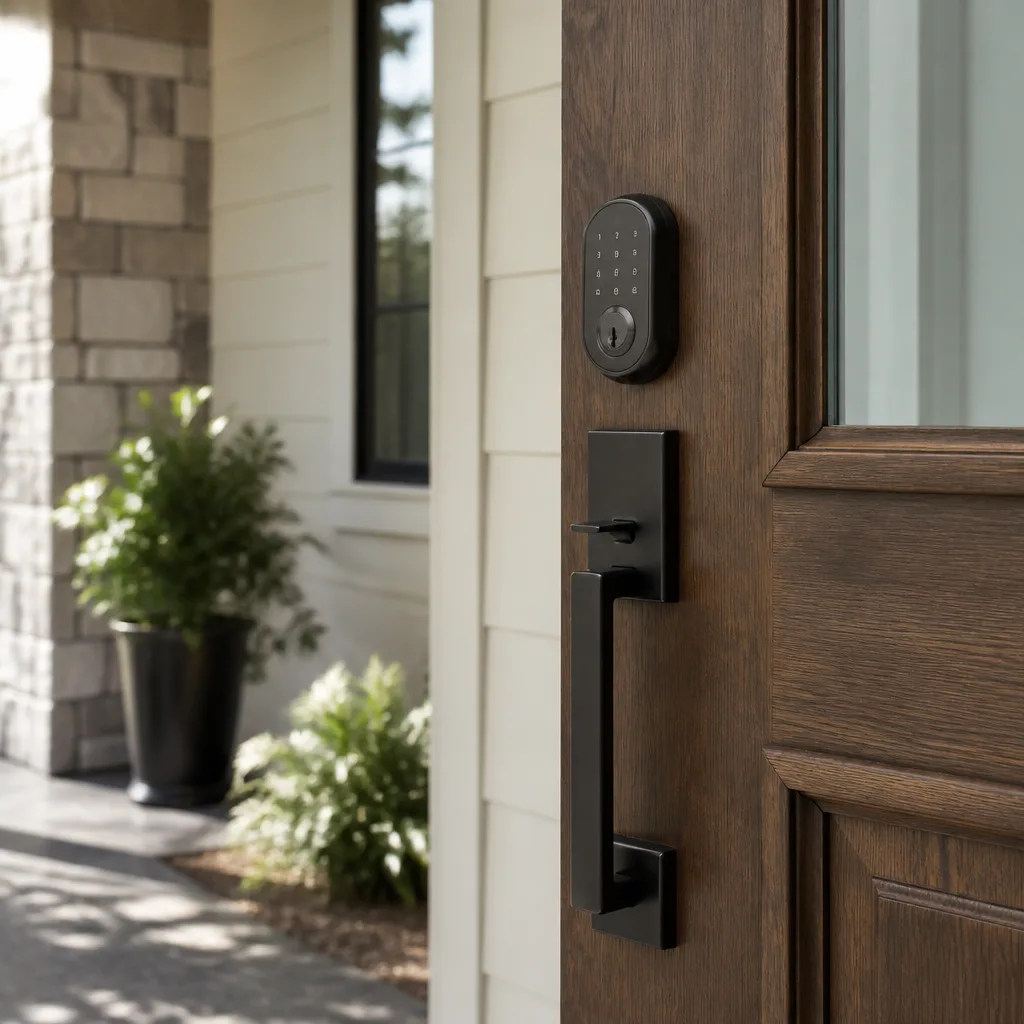 Smart locks
 House lockouts
 Re-keying
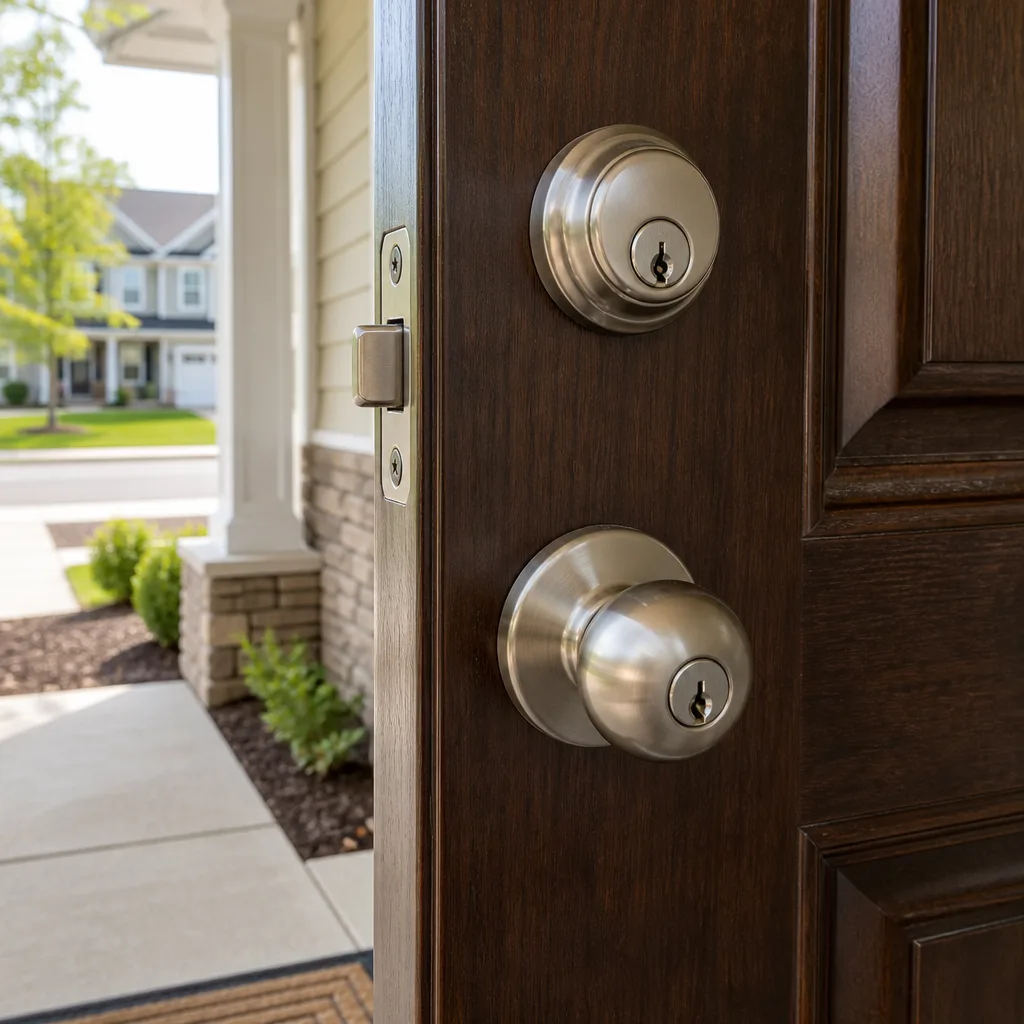
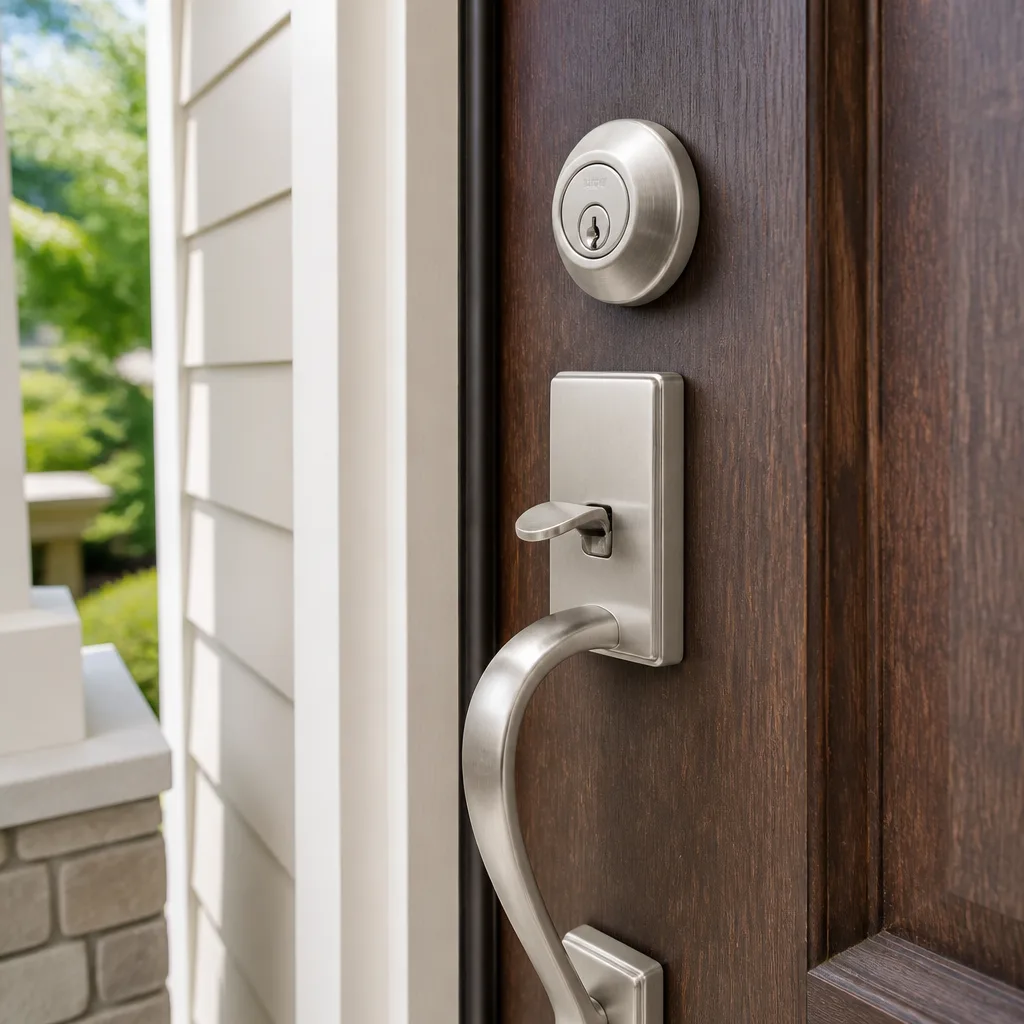 Deadbolt upgrades
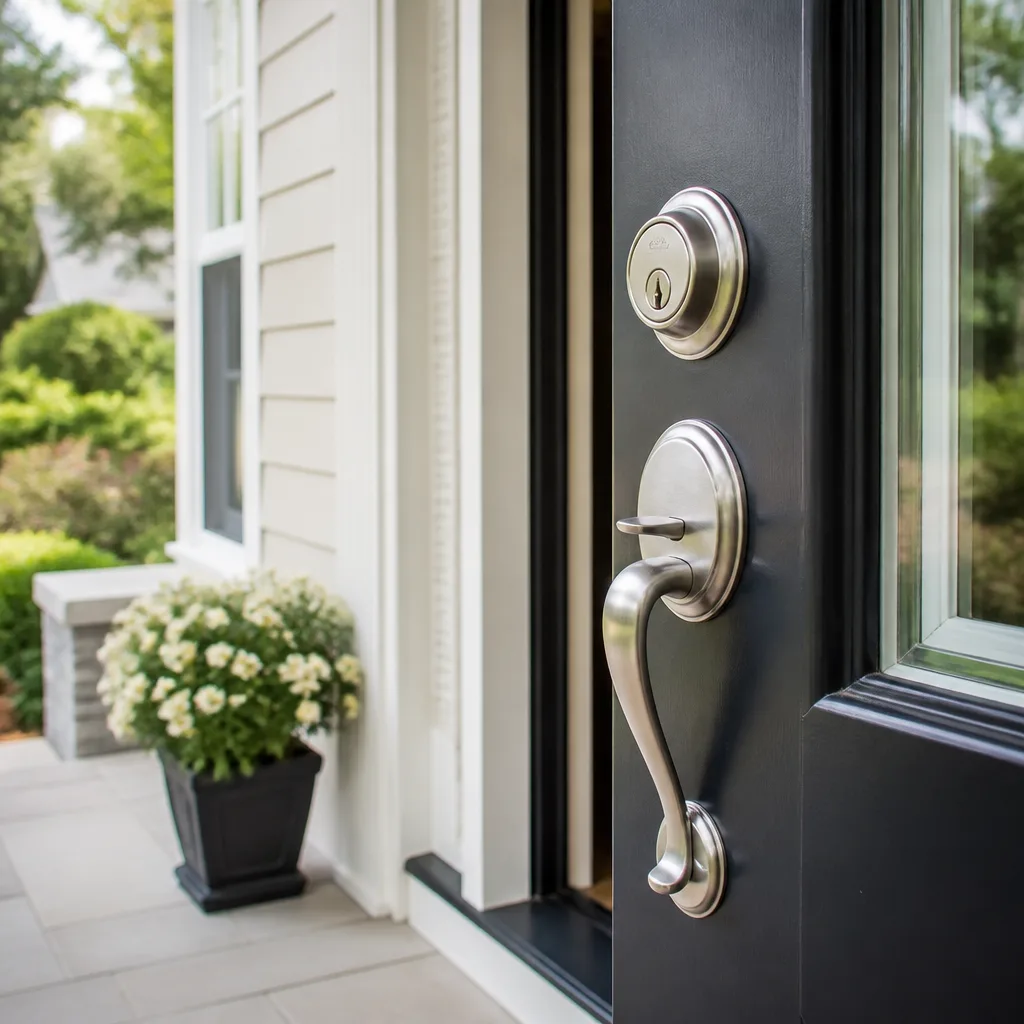
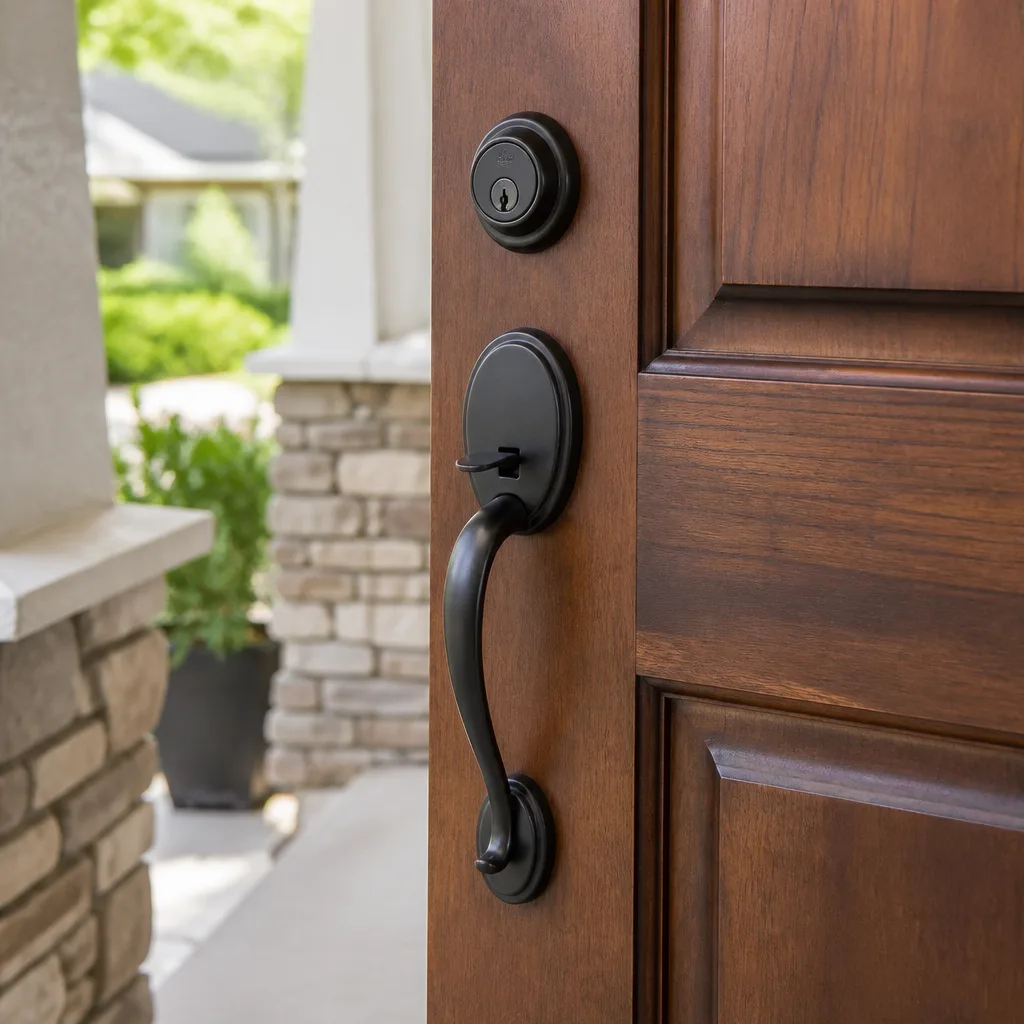 Schlage
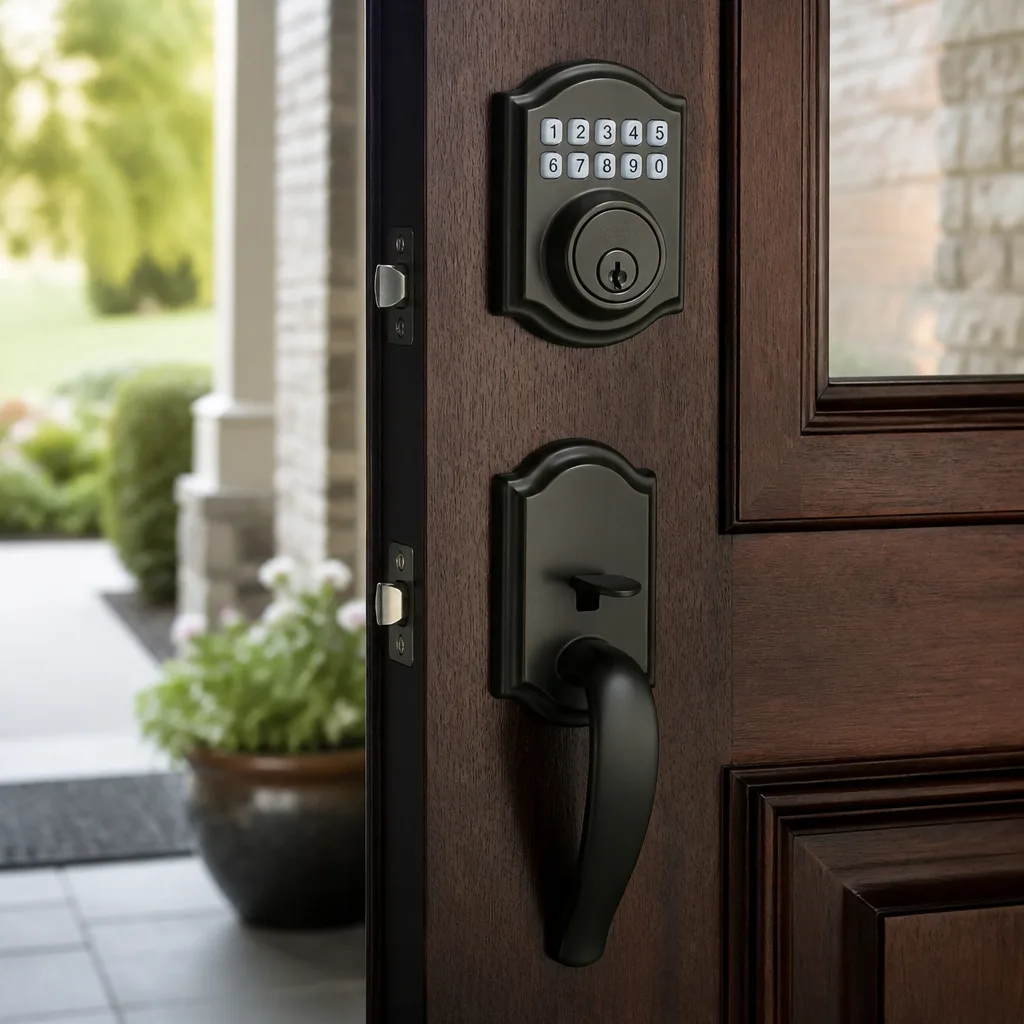 Kwikset
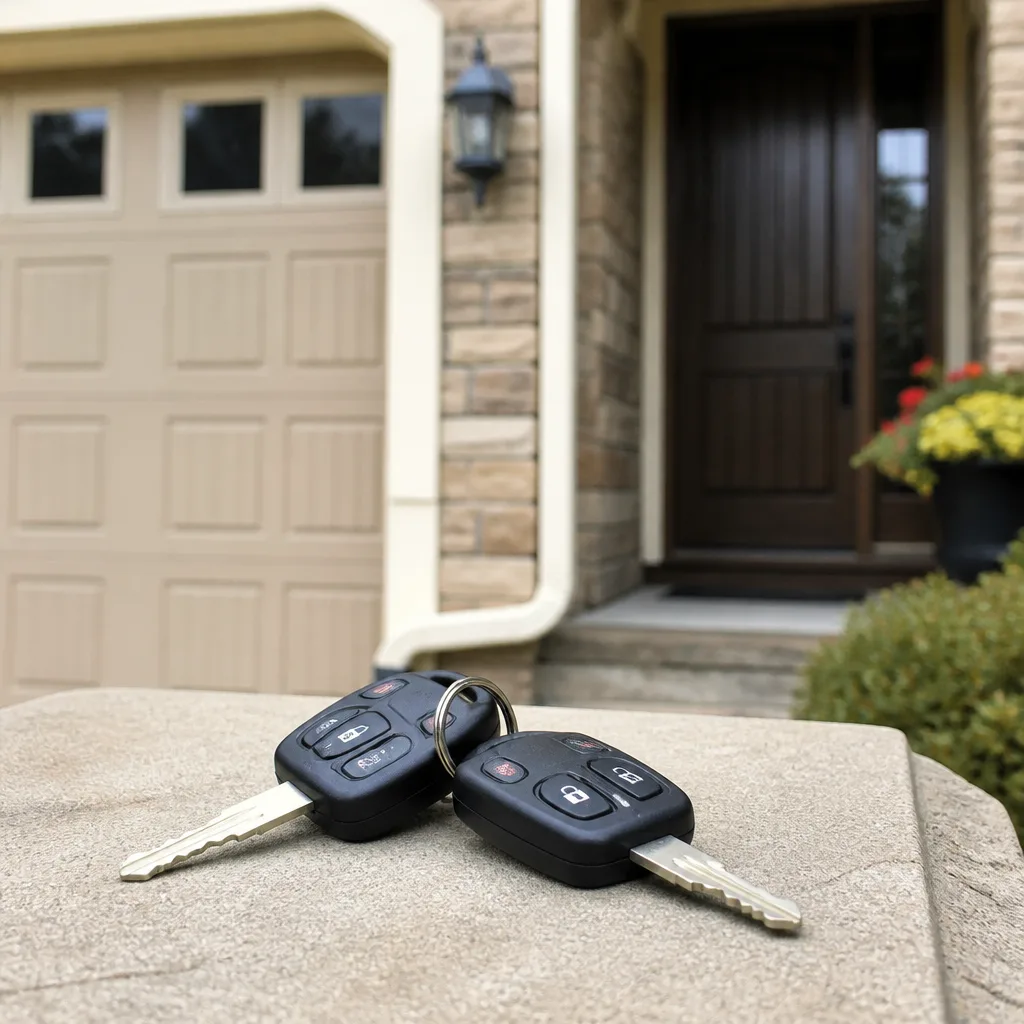 Car keys & fobs
Non-destructive entry first, always - and we re-key Schlage, Kwikset, and Baldwin locks on the spot while you watch
You get a price before we start. It does not change when we arrive. No surprises.
Get your free estimateLocksmith Warning Signs: A Orlando Homeowner’s Reference Guide
Most people assume a lock gives out all at once, without warning. The reality is different, and it’s worth knowing. After years of opening locked doors across Orlando, from College Park to Lake Nona, we can tell you that almost every lockout we respond to had been signaling trouble for weeks or months beforehand. A key that needed a little jiggle. A deadbolt that took two hands to throw. A car fob you had to press three times before the door unlocked. This guide walks you through those signals, what they mean, and which ones you can safely ignore. None of it requires special tools or knowledge, just a homeowner’s attention.
Quick Answer
The clearest signs you need a locksmith in Orlando are a key that binds or jiggles on the way in, a deadbolt that won’t fully extend into the strike plate, a key that only turns under pressure, and electronic locks that respond slowly or drain batteries faster than the manufacturer’s spec. These signals mean a component is wearing out, not that your door is fine and you’re imagining things. Addressing them now, before a full failure, usually costs a fraction of an emergency lockout call.
Styles & brands we work with
Table of Contents
- Five Mechanical Warning Signs of a Failing Lock Cylinder
- Cylinder Problem or Door Alignment Problem?
- Warning Signs Specific to Electronic and Smart Locks
- Security Warning Signs That Are Not Mechanical Failures
- Car Key and Fob Warning Signs Before Complete Failure
- What Orlando’s Climate and Housing Stock Do to Locks
- Common Mistakes to Avoid
- When to Call a Professional
- Frequently Asked Questions
Five Mechanical Warning Signs of a Failing Lock Cylinder
Pin tumbler cylinders, the kind found in most Kwikset, Schlage, and Yale residential locks, wear out in a predictable sequence. Small brass pins and springs inside the cylinder lose their edge over years of use. Humidity accelerates the process, which matters in Orlando. Here are the five signals, in the order homeowners usually notice them.
- Key binds on insertion. You slide the key in and it catches or scrapes partway. This is not the key’s fault, at least not entirely. Worn pins inside the cylinder are no longer seating evenly, so the key lands against uneven surfaces. In our experience across Orlando’s older neighborhoods like Delaney Park and Thornton Park, this is the most commonly ignored signal.
- Requiring a jiggle to turn. The key goes in fine, but it will not rotate until you wiggle it up and down or pull it out a fraction of an inch. That jiggle compensates for pins that have worn past their tolerance. The cylinder is telling you it no longer aligns correctly on its own.
- Intermittent refusal to retract. Some days the lock works. Other days the key turns but nothing engages. This is the danger signal. A cylinder at this stage can fail completely at any time. We have opened doors in Baldwin Park and Audubon Park where the cylinder gave out entirely between morning and evening.
- Visible key wear pattern. Hold your key up to the light. If the cuts look flattened or the shoulder shows obvious metal wear, that’s a clue, but the more telling sign is if you have had the same key copied multiple times from copies. Each copy drifts slightly from the original, and eventually the cumulative deviation is enough that no copy works well.
- Increased operating force. The lock works, but it takes noticeably more effort to turn than it did a year ago. Pins are dragging, springs are tired, or the cylinder plug is gummed with years of dust and humidity. This is the stage where a $20 lubrication and cleaning, or an $80 cylinder rebuild, still solves the problem. Waiting longer turns it into a lockout or a broken-off key in the door.
Each of these signals points to the same underlying truth: pin tumbler cylinders have a service life. In Orlando’s humid climate, that life is shorter than in dry climates. If you are noticing any of the first three, a rekey in Orlando can often replace the worn pins at the same time as the key change, resolving both the security concern and the mechanical wear in one service call.
Cylinder Problem or Door Alignment Problem?
Not every stiff lock is a lock problem. Sometimes the door itself is the issue, and replacing the lock will do nothing. Learning to tell the difference saves you money and frustration.
A classic alignment problem shows up like this: the key turns smoothly when the door is open, but binds or resists when the door is closed. That means the latch or deadbolt is not lining up with the strike plate on the frame. The cylinder is fine. The door has sagged, the hinges are loose, or the house has settled. In that case the fix is tightening hinges, shimming a hinge, or relocating the strike plate, not touching the lock.
A cylinder problem behaves differently. The key binds or jiggles no matter whether the door is open or closed. The resistance is inside the lock body itself. Pull the door open and try the key. If it fights you with the door open, the cylinder is the problem. If it turns freely with the door open but binds when closed, look at the door alignment first.
Orlando homes get both problems, often at the same time. High humidity causes wood doors and frames to swell and shift. Metal strike plates stay put while the wood around them changes shape. We have walked into homes in Colonialtown where the homeowner was certain they needed a new deadbolt, and the real fix was twenty minutes of hinge work. Knowing the difference before you call a locksmith will help whoever shows up diagnose it faster, whether it is us or anyone else.
Warning Signs Specific to Electronic and Smart Locks
Electronic deadbolts and smart locks are now common across Orlando, especially in rental properties in the UCF area, downtown apartments, and newer builds in Lake Nona. They fail differently from mechanical locks, and the warning signs come through as performance quirks rather than physical resistance.
The three signals we see most often are erratic response, delayed bolt retraction, and abnormal battery drain. Here’s what each one means.
- Erratic response. You enter the code and sometimes the lock opens, other times it beeps and does nothing. The keypad contacts may be wearing, or the motor is not getting consistent power. If you find yourself entering the code slowly or repeatedly, schedule a service visit before the lock stops accepting the code entirely.
- Delayed bolt retraction. The lock beeps and then takes a noticeable pause before the bolt moves. This is the small DC motor inside the lock losing torque. Left alone, the delay lengthens until the motor cannot move the bolt at all. You will be locked out with a working code.
- Battery drain faster than spec. Most smart locks on the market, including models from Yale and Baldwin, rate their batteries for six to twelve months of normal use. If your lock is eating batteries every two to three months, the motor is drawing more current than it should, which means it is working harder than it was designed to. That extra work is a warning, not a quirk.
Smart locks also expose a DIY danger that mechanical locks keep hidden. When a smart lock fails, many homeowners try to remove the interior escutcheon to replace the battery, only to discover the lock body was installed with security torx screws or that the tailpiece has seized. If you are not sure, call before you force anything. A stripped screw on a $300 smart lock turns a $120 service call into a full replacement.
One brand note: if you have a Mul-T-Lock or Medeco high-security smart lock, do not let a general handyman attempt battery replacement or motor service. These locks are built to resist tampering, and they resist improper disassembly just as well. A locksmith who works with these brands, as our Ashgrove Locksmith home team does, will have the right tools and training to open the lock without damaging the restricted keyway or the motor housing.
Security Warning Signs That Are Not Mechanical Failures
Not every warning sign comes from the lock itself. Some of the most serious security gaps in Orlando homes are structural, and they have nothing to do with pins and springs. These are the signs a homeowner should read as urgent, because they are what a burglar reads as opportunity.
The first is a visible gap between the door and the jamb when the door is closed. If you can see daylight through the gap or if the latch bolt only catches by a sliver, the door is not seated properly in the frame. An intruder can often exploit that gap with a simple pry bar. The fix is not a stronger lock, it is a corrected door hang and possibly a longer latch bolt.
The second is strike plates secured with short screws. The standard strike plate on a residential door in Orlando is often screwed into the door jamb with screws that are barely half an inch long. Those screws bite into the trim, not the structural stud behind it. One solid kick and the door opens, deadbolt and all. The fix is replacing those screws with three-inch screws that reach into the framing. This is a ten-minute job that changes the entire security posture of the door. Many of the older homes in neighborhoods like Mills 50 and Winter Park have original strike plates from the 1970s with exactly this problem.
The third is a deadbolt that does not fully extend into the strike plate. You turn the key or throw the thumbturn, but the bolt stops short of its full one-inch projection. The hole behind the strike plate may be too shallow, or the plate may be misaligned. Either way, the deadbolt is not doing its job. A deadbolt that only extends half an inch can be forced with far less effort than one that seats fully.
These three signs share a common theme: they are all fixed at the door, not in the lock. But a good locksmith will spot them during any service call, because part of the job is reading the whole door, not just the cylinder.
Car Key and Fob Warning Signs Before Complete Failure
Car keys in Orlando work hard. Heat, humidity, daily use, and the occasional pool bag or beach trip all take their toll. Modern transponder keys and proximity fobs are small computers, and like all computers, they fail in stages.
The warning signs for car keys and fobs are subtle enough that most drivers miss them until the key stops working entirely. Here are the three we tell people to watch for.
- Intermittent range reduction. You used to unlock your car from across the parking lot. Now you have to be within ten feet, or sometimes right at the door. Range loss often means the fob’s battery is fading, but if a fresh battery does not restore the range, the fob’s internal antenna or circuit board is degrading. That is not a battery problem. That is a fob on its way out.
- Having to press the button multiple times. One press used to unlock the door. Now it takes two or three. This is a classic sign of worn internal contacts inside the fob. The button still works, but it is working less reliably each week. The failure curve accelerates from here.
- Visible key blade wear at the shoulder. If your key has a metal blade, look at the shoulder where the blade meets the plastic head. If you see a groove or flat spot forming, especially if the key is loose in the head, that blade is close to snapping. A broken key blade in the ignition or door cylinder is a far more expensive repair than replacing the key before it breaks.
One more Orlando-specific note: if your key lives on the same ring as a heavy set of other keys, the weight pulls at the ignition cylinder while you drive. That constant stress wears both the key and the cylinder. We see this most often on older Toyotas and Hondas in the Conway and Belle Isle areas. Lighten the keychain or replace the worn key before the ignition cylinder gives out. When it does, car key replacement in Orlando becomes more than a key issue, it becomes an ignition repair.
For transponder and proximity keys, replacement and programming are not roadside jobs. They require diagnostic equipment and the right software for your vehicle’s make and model. Not every locksmith has that equipment. If the fob is showing any of these signs, having it replaced on your schedule is always cheaper than a lockout or a dead key at your car door.
What Orlando’s Climate and Housing Stock Do to Locks
Orlando is not a neutral environment for door hardware. The same humidity that makes the grass grow fast and the A/C run constantly also gets inside lock cylinders, and the results are predictable.
Brass and steel components corrode slowly in high humidity. The tiny springs inside a pin tumbler cylinder lose their spring strength as oxidation builds up. The net effect is a lock that feels “crunchy” or “gritty” when you turn the key. That crunch is not dirt. It is corrosion. A lock that has lived ten years in a Colorado door and a lock that has lived ten years in an Orlando door will be in visibly different condition internally.
Salt air is another factor, especially for homes in coastal-adjacent neighborhoods or for anyone who parks near the water regularly. Car locks and door locks near the coast accumulate salt deposits that accelerate corrosion. We see this in car door locks and home entry locks around Belle Isle and Conway, particularly on vehicles parked outside overnight.
Orlando’s housing stock brings its own history. Many homes built in the 1960s and 1970s around Colonialtown, Audubon Park, and Delaney Park still have their original locksets. The brand names were often Baldwin or Schlage, and those locks were built well, but nothing lasts fifty years without maintenance. A Baldwin mortise lock from 1972 can still be rekeyed and serviced, and in fact should be, because the modern replacement hardware often does not match the mortise cutouts in older doors. Replacing that hardware often means cutting new mortises, while rekeying the existing lock preserves the door and the original hardware’s build quality.
Newer builds in Lake Nona and Hamlin have their own set of issues. Builder-grade Kwikset or Schlage hardware installed at the initial build is usually the lowest-cost product line. Those cylinders work fine for five to eight years and then start showing the wear signs described above. Rekeying those locks, or replacing them with a step-up product, is the common path we recommend for that age of home.
Common Mistakes to Avoid
- Lubricating a lock with WD-40. WD-40 is a solvent that briefly frees a stuck lock and then leaves a residue that attracts dust and grit. The lock will be worse in three months than it is now. Use a dry graphite or Teflon lubricant instead, or have a locksmith service the cylinder properly.
- Forcing a key that resists turning. When a key fights you, the correct response is to stop. A forced turn is how keys break off inside cylinders, and a broken key extraction in Orlando is a more expensive service than the rekey that would have prevented it.
- Copying a worn key instead of replacing it. A copy of a worn key is a worn key, with additional copying error. After the third copy from copies, the key may not work at all. Replace the key with a fresh cut from the code, not from the old key.
- Ignoring a slow electronic lock. Delayed bolt movement is the warning, not the failure. Waiting until the motor dies completely means a lockout with a working code and a dead motor. Service the lock when the delay first appears.
- Replacing the whole lockset when a rekey would do. If the hardware is in good condition and only the key security is in question, a rekey does everything a replacement does at a third of the cost. Rekeying locks in Orlando is often the smarter call, especially on older Baldwin or Schlage hardware that still works well.
- Assuming a sticky door is always a lock problem. Test with the door open. If the key turns smoothly with the door open but binds when closed, the door and frame are the problem. Fixing the lock will not fix the door.
- Waiting for a full failure to call. Every signal in this guide is cheaper to address before the lock fails. A binding cylinder, a weak battery, a loose strike plate – these are all scheduled-service jobs. By the time the lock actually fails, you are in an emergency response situation, and emergency locksmith service in Orlando is a different phone call.
When to Call a Professional
Some of the fixes in this guide are genuinely DIY: tightening hinge screws, replacing strike plate screws with longer ones, swapping a key fob battery. The rest belong with a trained locksmith. Call a professional when the key binds or jiggles, when the deadbolt does not fully extend, when an electronic lock responds erratically, or when you have lost track of how many key copies are floating around. A cylinder rebuild or a rekey is precise work, and a mistake inside the lock body turns a $100 job into a full replacement.
Ashgrove Locksmith offers free estimates in Orlando – call (833) 713-2331.
Frequently Asked Questions
The first signs are almost always a key that binds slightly on insertion or requires a small jiggle to turn. Subtle resistance becomes increasing stiffness, then intermittent refusal to operate, and finally complete failure. If you notice any of these in an Orlando home, the lock is giving you warning time before a lockout.
Open the door and try the key with the door open. If the key turns smoothly, the door alignment is the problem. If the key still fights you with the door open, the cylinder is worn and needs service. This one test will tell you which professional to call: a locksmith or a door and hinge repair person.
Yes, and this is exactly the right time to call. A lock that is progressively harder to turn usually has worn pins or accumulated corrosion inside the cylinder. A locksmith can clean, service, and rekey the lock in Orlando in one visit, often restoring the cylinder to smooth operation without replacing the visible hardware.
Most mechanical lock repairs and rekeys in Orlando run from $80 to $200 depending on the lock type and whether new keys are cut. Electronic lock motor replacements and car key programming run higher. The exact quote is always given before any work begins, and it is the price on the invoice. Call (833) 713-2331 for a free estimate specific to your lock.
Fast battery drain usually means the internal motor is working harder than it should, often because the bolt is dragging against the strike plate or the motor is nearing the end of its life. If a fresh battery does not fix the drain, the lock needs service before the motor fails completely and locks you out.
Yes. An intermittent lock is the most dangerous kind of failing lock, because it seems fine right up until it is not. A key that works sometimes and not others means the internal pins are worn to the point of inconsistent engagement. The failure is not a matter of if, only when. Service the lock before that happens, ideally while you still have choices about when and where.
The Bottom Line
Locks speak clearly if you listen. A key that binds, a deadbolt that stops short, a fob that needs three presses, a smart lock that eats batteries – these are all signals with a specific mechanical meaning, and reading them correctly saves money and prevents lockouts. Most lock failures in Orlando are slow, not sudden. The climate accelerates the wear, but the warning signs are consistent. Pay attention to the first signal, fix it on your schedule, and you will never be the person standing outside a locked door wondering what happened. If you are seeing any of the signs in this guide, call the team that reads locks every day: Ashgrove Locksmith at (833) 713-2331.
Written by the team at Ashgrove Locksmith, serving Orlando since 2017.